GNIMS

Tel: +91 22 24043928 / 29 | Toll Free – 1800 889 1335 | Missed Call – 1800 315 7110

Email: info@gnims.com / admission@gnims.com / placementcell@gnims.com

Tel: +91 22 24043928 / 29
Toll Free – 1800 889 1335  Missed Call – 1800 315 7110

Email: info@gnims.com / admission@gnims.com / placementcell@gnims.com

2024 - 2025

Wholesome Wellness at the Workplace

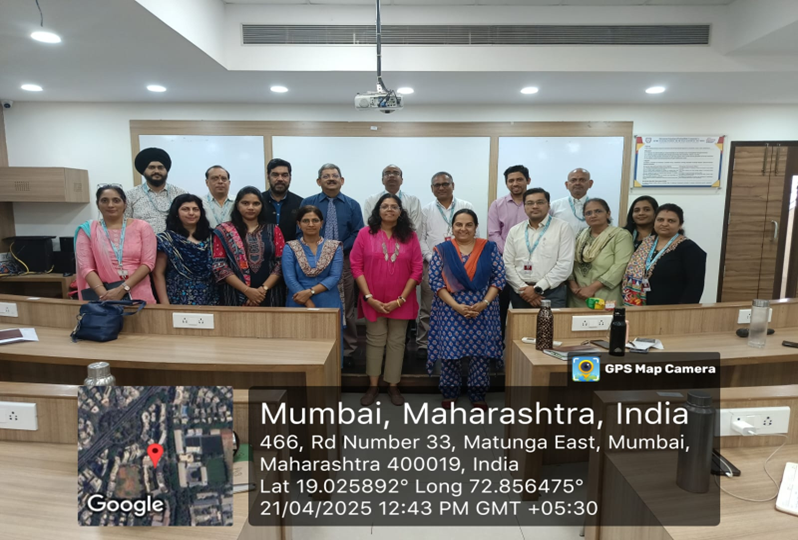
Wholesome Wellness at the Workplace Wholesome Wellness at the Workplace   By Aditi Khurana    On Monday 21 April 2025; from 11:00 am to 12; 30 pm in Room # 604.   A Guest Lecture on Wholesome Wellness at the Workplace by practicing dietician and nutritionist: Ms. Aditi Khurana underscored the importance of a balanced approach to work-life dynamics at the workplace.   The session got an introductory start to the proceedings by Prof. K Praveish Vishwanath Aiyar. The guest speaker was felicitated by Dr. Satvinder Singh Bedi, Director, GNIMS.   The Guest speaker, in her ninety-minute exposition, made it more interactive and emphasized a more practical way to deal with our food as per our temperament, trait and taste. The emphasis was equally to stay hydrated with a minimum intake of two litres of water per day. Ms. Aditi Khurana discussed an array of diets from breakfast to dinner in a typical Indian household.   The takeaway of this lecture was that our gut is the second brain, and we need to give utmost care to our gut. Dr. Gagan Jatinder Bhatia proposed a vote of thanks.

Writing a Research Article and Publishing in Reputed Scopus Journal

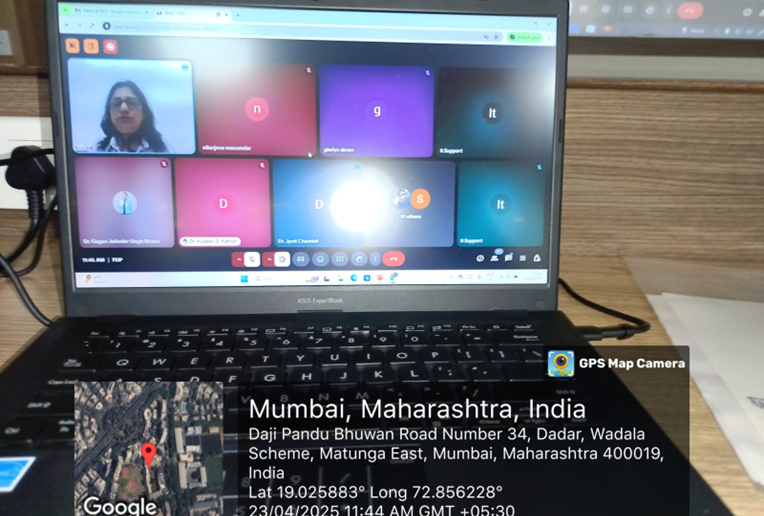
Writing a Research Article and Publishing in Reputed Scopus Journal Theme: “Writing a Research Article and Publishing in Reputed Scopus Journal”   Dates: 22nd & 23rd April 2025 | Time: 10:30 AM – 1:30 PM   1. Introduction Guru Nanak Institute of Management Studies (GNIMS), Mumbai, successfully organized a two-day Faculty Development Program (FDP) on the theme “Writing a Research Article and Publishing in Reputed Scopus Journal” on 22nd and 23rd April 2025. This initiative was part of GNIMS’s ongoing efforts to promote research excellence and enhance the academic publishing capabilities of faculty members.   2. Objective of the FDP The primary objective of this FDP was to equip faculty members with practical knowledge and strategies for writing high-quality research articles and navigating the publication process in Scopus-indexed journals. The sessions focused on bridging the gap between research work and successful publishing in reputed academic journals.   3. Resource Person The sessions were conducted by Dr. Monika Gupta, a distinguished academician and research mentor, known for her extensive experience in scholarly writing, publication ethics, and mentoring faculty across institutions on research methodologies and journal submissions.   4. Participants’ Profile The FDP witnessed enthusiastic participation from: Faculty members of GNIMS, Mumbai External participants from multiple states across India, representing diverse academic institutions and disciplines A total of 119 participants attended the program, contributing to a dynamic and intellectually engaging learning environment.   5. Program Highlights Day 1 (22nd April): ·         Fundamentals of research article writing ·         Structuring the article: Title, abstract, introduction, methodology, results, and discussion ·         Understanding journal expectations and peer-review processes Day 2 (23rd April): ·         Selecting appropriate Scopus-indexed journals ·         Avoiding plagiarism and ensuring ethical writing ·         Citation tools, referencing styles, and using AI in research writing ·         Q&A and live case discussions on publication challenges The sessions were interactive, with practical demonstrations and real-time queries from participants.   6. Key Takeaways ·         Participants gained clarity on academic writing norms ·         Awareness about predatory journals and how to identify legitimate Scopus publications ·         Enhanced understanding of plagiarism checks and reference management tools ·         Improved confidence in submitting articles for reputed journals   7. Feedback Summary Participants expressed high satisfaction with the content, delivery, and relevance of the sessions. Many appreciated Dr. Monika Gupta’s clarity, practical insights, and engaging style. Suggestions were made to conduct follow-up workshops focusing on journal selection and peer review processes.   8. Acknowledgements The GNIMS management expresses heartfelt gratitude to Dr. Monika Gupta for her valuable contribution and insightful sessions. We also thank the organizing team, technical support staff, and faculty coordinators for ensuring the smooth execution of the program.   9. Conclusion The two-day FDP was a significant step toward strengthening the research culture at GNIMS and fostering academic collaboration. The sessions not only enriched faculty knowledge but also motivated them to pursue quality research and publication goals. Future programs on advanced research tools and journal submission strategies are being considered based on participant interest.
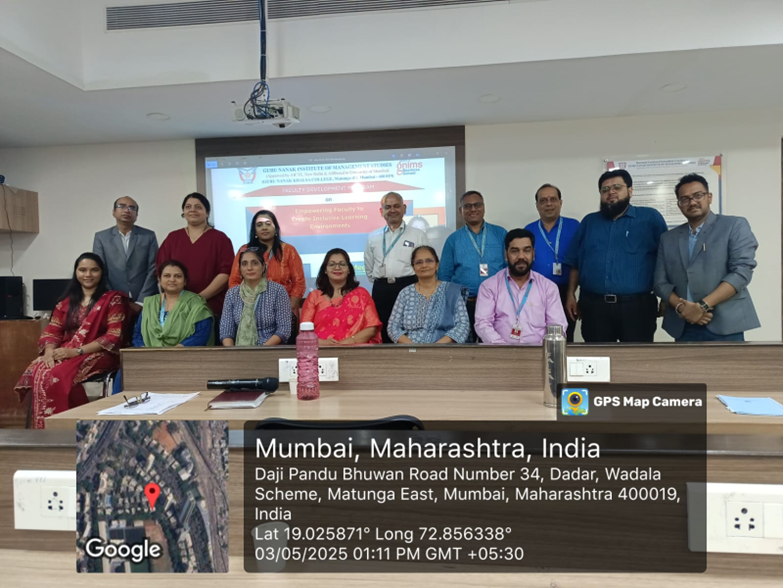
Empowering Faculty to Create Inclusive Learning Environments

Empowering Faculty to Create Inclusive Learning Environments The Guru Nanak Institute of Management Studies recently hosted a Faculty Development Program (FDP) on “Empowering Faculty to Create Inclusive Learning Environments.” On 3rd May, 2025.The program aimed to equip faculty members with the knowledge, skills, and strategies to create inclusive and supportive learning environments that cater to diverse student needs.   Key Takeaways: The importance of inclusive learning environments in promoting student engagement, motivation, and academic success. Strategies for creating inclusive curricula, instructional materials, and assessment methods. Effective communication techniques to foster a sense of belonging and respect among students. Approaches to addressing diverse learning needs, including students with disabilities. Program Highlights: Dr. Meghana Jalgaonkar, our esteemed resource person, shared best practices and innovative approaches to inclusive teaching through interactive sessions. Group discussions facilitated knowledge sharing and collaboration among participants. Participants gained a deeper understanding of the importance of inclusive learning environments. Outcome: The FDP provided faculty members with valuable insights and practical strategies to create inclusive learning environments, enhancing the overall learning experience for students. Feedback: Participants praised the program’s relevance, interactivity, and effectiveness in raising awareness about inclusive teaching practices. Conclusion: The FDP was a resounding success, empowering faculty members to create more inclusive and supportive learning environments. We look forward to continued efforts in promoting diversity, equity, and inclusion in our institution. Our heartfelt gratitude to Dr. Meghana Jalgaonkar for her expertise and engaging delivery.

Scroll to Top